
![]() The majority of mobile phones in the U.S. will be smart phones by 2011. That means that more consumers than ever will have on-demand access to the Internet. Despite this expanding market, most auto dealers don’t yet have mobile web sites. Here are the top three reasons they should: 1. One-fifth of Americans already access the mobile web everyday The future is now! The statistics on mobile web use are astounding. In less than a decade, half of all web searches will happen from a mobile device. The mobile generation is already here and it includes your customers. 2. A traditional web site isn’t enough Traditional web sites are designed for people surfing from the comfort of home using a full-size computer. Mobile users are on-the-go and limited by small screens; they are looking for specific information and they want it quickly. To satisfy these users, dealers need simplified sites designed specifically for the smart phone platform. 3. Your competition is already there Picture this scenario: A consumer is driving around looking for a new car. As he drives by dealers’ lots, he uses his smart phone to search inventories before deciding where to stop. If your site isn’t optimized for mobile web, he’s likely to move on to the next lot. Can you afford to lose out? Contact 72 Advertising today to get your web site updated with a mobile version.
0 Comments
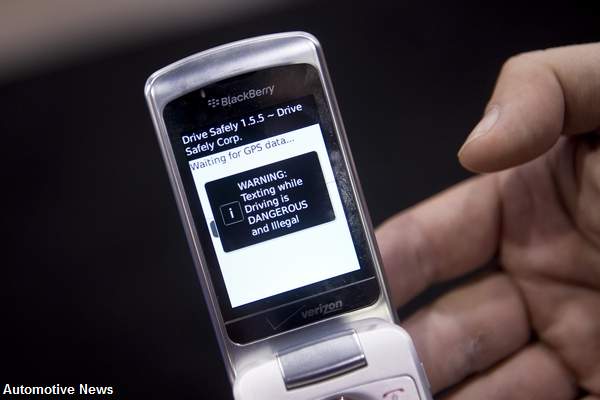
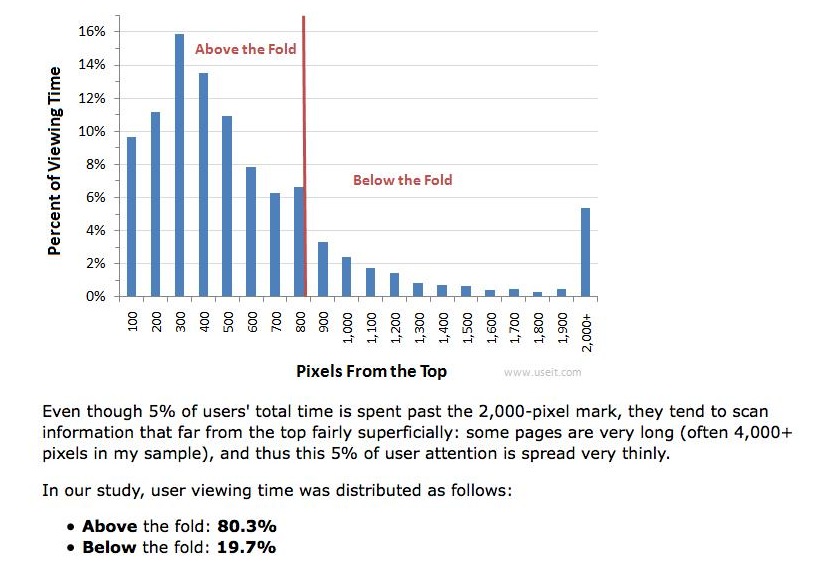
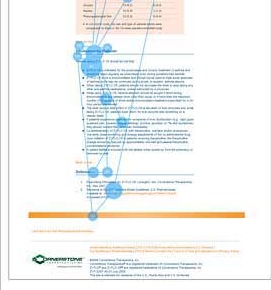
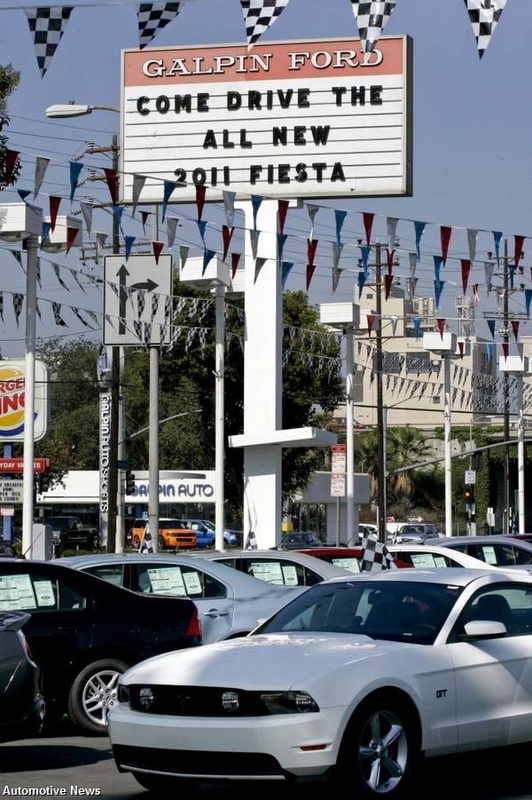
![]() U.S. auto sales climbed 29 percent last month, the biggest gain of the year, as the industry resumed its recovery from last year’s collapse. All but one company posted an increase as automakers benefited from comparisons to September 2009, when sales and inventory collapsed in the wake of U.S. cash-for-clunkers incentives. Last month’s seasonally adjusted sales rate as calculated by Automotive News was 12.2 million, the highest since “clunkers.” “It’s a solid month, another step in a stable, somewhat painful recovery,” said analyst Jesse Toprak of TrueCar.com. Chrysler Group led the gainers with a 61 percent increase, while Ford Motor Co. posted a 40 percent gain. General Motors Co. sales rose 11 percent from September 2009 levels. Among Asian automakers, Toyota Motor increased 17 percent, American Honda advanced 26 percent, Nissan North America gained 34 percent and Hyundai-Kia jumped 44 percent. The increases followed a 21 percent drop in August sales, the only monthly decline this year. Just as last month’s performance was aided by comparisons to a weak September 2009, August results suffered when framed against a clunker-fueled SAAR of 13.7 million units a year earlier. “It’s a bit deceptive because last September was so poor after the cash-for-clunkers program ended,” said Gerald Meyers, a professor at the University of Michigan Business School and a former chief of American Motors Corp. Still, “it seems as if auto sales in the U.S. have bottomed out and are headed up from here.” So far this year, industry sales are up 10 percent from 2009 levels. Last year was the weakest for U.S. auto sales since 1982. ![]() Bans on texting while driving fail to reduce crash rates because motorists ignore the rules, according to a study by the Highway Loss Data Institute, a group funded by the insurance industry. Crashes increased in three of four states it surveyed where driver texting was banned, according to the group’s statement released today. The study focused on collision claims in the states before and after they enacted bans. Laws against texting from mobile phones have been enacted in 30 states since 2004, and almost half of them this year, the group said. The Obama administration has called for a federal law outlawing driver texting. More than 5,800 traffic deaths were tied to distracted driving in 2008, according to the U.S. Department of Transportation. ![]() Here’s are five key reasons why social media failure is far more prevalent than anyone wants to admit to talk about. 1. The lack of a strategic plan. Far too many dealers run before they walk. As a result, they jump into social media without a well-articulated idea of why they want to do social media, what they want to get out of it, what success looks like, and what rivals are doing. According to a recent study by Digital Brand Expression, 78% of respondents said they were doing social media but only 41% of companies said they had a strategic plan. 2. The lack of a tactical plan. This is more than just knowing how to use Twitter, Facebook or a blog because they’re not that difficult to learn. Tactics has more to do about best practices, knowing when and how to engage with other people on social media, and using the best and most effective tools to be as productive and efficient as possible. 3. The lack of resources, or hiring people who lack the right skills or experience to get the job done. Too many dealers get excited about a social media program but don’t or won’t allocate enough people to actually make it happen. Another mistake is they hire people who are too inexperienced but hope that their enthusiasm about social media will compensate for it. 4. The lack of content that is compelling, engaging, interesting or valuable. At the end of the day, great content and stories make social media be successful. Truth be told, social media services are simply tools to distribute content. In other words, content and stories and the ammunition that makes the weapons (Twitter, Facebook, etc.) effective. 5. The failure to build relationships. Social media is not a one-way street or a one-way conversation. For social media to work, you need to build relationships with people, have conversations, engage and connect. It’s work requires time and effort. Here are 3 key concepts for conversion rate optimizers who want to design elegant, persuasive online experiences that make money: ![]() Key Concept #1 – The 80/20 Rule remains a powerful force in the universe. Pareto’s principle never goes away…ever. It just continues to recur in everything, all the time. Bow to its power! The takeaway from Jakob Nielsen’s report is that, while users are more willing to scroll ‘below the fold’ than they used to be, the area above the fold still gets 80% of the time spent looking at a page. See the chart for the eerie split at 80.3% and 19.7%! Key Concept #2 – The concept of keeping key content and call(s) to action ‘above the fold’ is still important. But, if you expect users to scroll below the fold, you’d better make sure the page has good scent so they know that relevant content awaits them if they do use their scroll bar. ![]() Key Concept #3 – The bottom of every page is key. Note in Nielsen’s chart that the time spent fixating below the fold remains very low until the very bottom of pages. This is due to users looking for the bottom of the page’s container. It’s a bit grainy, but look at the screenshot of a gaze plot where the orange bar that is the active window’s bottom border gets the last fixation on the page. The user looks for the bottom, finds it, then knows they need to either click something or scroll back up. This presents an opportunity to place call(s) to action at the bottom of tall pages that necessitate scrolling, especially catalog pages with many products. Maybe it’s a place to experiment with primary and/or secondary calls to action? |
Author72 Advertising founder and CEO, Paul Thompson, reports marketing industry news and news about 72 Advertising to share with our readers. Mailing Address:
72 Advertising, Inc. 24654 N Lake Pleasant Pkwy #103-112 Peoria, AZ 85383 Phone:
(623) 889-5626 Categories
All
Archives
January 2018
|


RSS Feed